
Malaga, Washington, is a central hub for fruit production, distribution, and export within the Wenatchee Valley, facilitated by its strategic location and infrastructure. The area's fertile soils support the growth of apples, cherries, and pears. However, businesses face significant legal challenges, particularly Washington's Do Not Call Laws, which must be strictly adhered to to avoid fines, protect consumer rights, and enhance customer relationships. Implementing advanced list management systems, data segmentation, and regular consumer preference updates is crucial for industry leaders like Malaga to maintain compliance and foster healthier customer relationships.
Malaga: Wenatchee Valley Fruit Industry's DNC List Management offers a critical look into navigating Do Not Call Laws in Washington state, particularly within the vibrant agricultural sector. As businesses expand their reach, understanding consumer preferences and legal constraints is paramount. The issue arises when companies struggle to maintain accurate do-not-call lists, often due to complex regulations and dynamic customer opt-ins/opt-outs. This article provides an authoritative guide to managing these lists effectively, ensuring compliance with Washington state's Do Not Call Laws while fostering robust consumer relationships. We explore best practices tailored to the unique challenges faced by the Wenatchee Valley Fruit Industry, offering valuable insights for industry professionals committed to ethical and successful business strategies.
Understanding Malaga's Role in Washington's Fruit Industry

Malaga, nestled in the heart of Washington's Wenatchee Valley, plays a pivotal role in the region's thriving fruit industry. As one of the primary hubs for fruit production, distribution, and export, Malaga's strategic location and robust infrastructure make it an indispensable link in the supply chain. The valley, renowned for its fertile soils and favorable climate, produces an array of fruits including apples, cherries, and pears, with Malaga serving as both a processing center and distribution point.
The town's significance is further underscored by the complex web of regulations surrounding the industry, particularly Do Not Call Laws in Washington. Businesses within the fruit industry must navigate these laws to maintain compliance, ensuring fair practices and consumer protection. For instance, strict rules on telemarketing calls aim to prevent unwanted or deceptive sales practices, reflecting a broader commitment to ethical business conduct. Understanding these legal frameworks is crucial for operators in Malaga, who often interact with national and international markets, ensuring their activities align with both local and global standards.
Moreover, Malaga's role is amplified by its position as a gateway to key markets. The nearby ports facilitate the export of fruit products across the Pacific, connecting Washington's agricultural bounty with Asian and North American consumers. This dynamic necessitates sophisticated list management practices, where accurate data on customer preferences, purchase history, and Do Not Call opt-ins are vital for targeted and compliant marketing efforts. Expert advice suggests implementing robust database systems and regular audits to maintain compliance, ensuring that the fruit industry in Malaga remains a model of efficiency and integrity amidst evolving legal landscapes.
Navigating Do Not Call Laws for Effective List Management
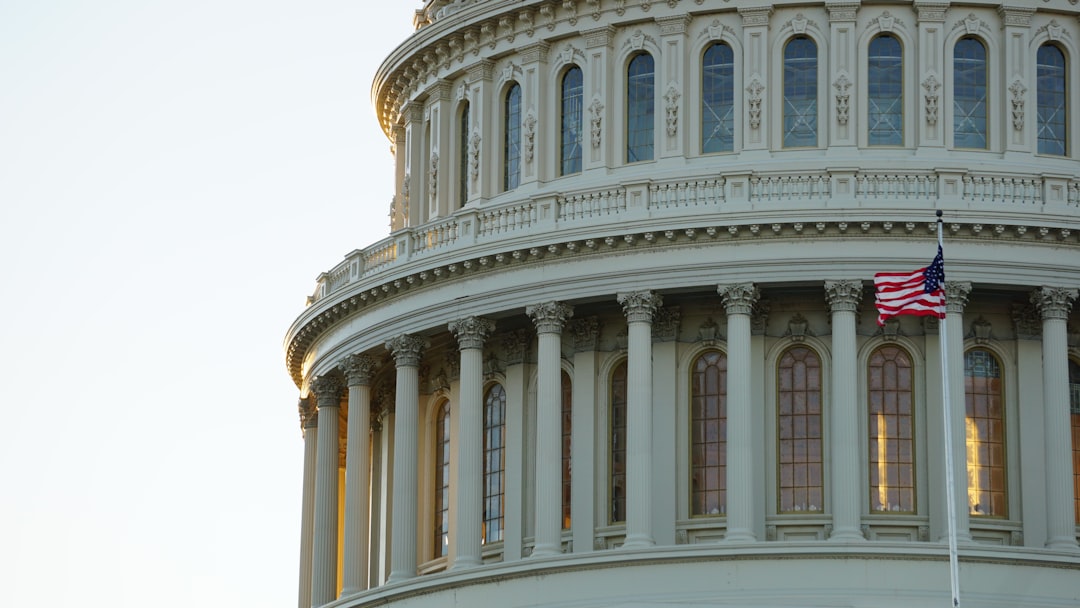
Navigating Do Not Call Laws is a crucial aspect of effective list management for any industry, particularly those in highly regulated sectors like the Wenatchee Valley Fruit Industry. In Washington state, strict Do Not Call Laws are in place to protect consumers from unwanted telemarketing calls, and non-compliance can result in significant fines. Businesses must thoroughly understand these laws to maintain compliance, safeguard their reputation, and maximize customer retention.
One of the key challenges is staying current with dynamic legislation. For instance, Washington's Do Not Call Laws not only mandate specific opt-out procedures but also dictate the acceptable timing for follow-up calls after a consumer requests exclusion from marketing efforts. Businesses must implement robust systems to track and honor these preferences, ensuring that calls are made only to active prospects. Failure to do so can lead to legal repercussions and damage customer trust.
To manage lists effectively under Do Not Call Laws Washington, companies should invest in sophisticated list-management software capable of segmenting contacts based on communication preferences. Regularly updating and validating the data is essential. For example, implementing a double opt-in process for new leads can help verify active consent. Additionally, integrating do-not-call status updates from various sources, including consumer complaints and regulatory databases, ensures that all interactions comply with current regulations. By adopting these strategies, the Wenatchee Valley Fruit Industry can navigate Do Not Call Laws successfully, fostering healthier customer relationships and reducing the risk of legal disputes.
Best Practices to Optimize DNC Compliance in Wenatchee Valley
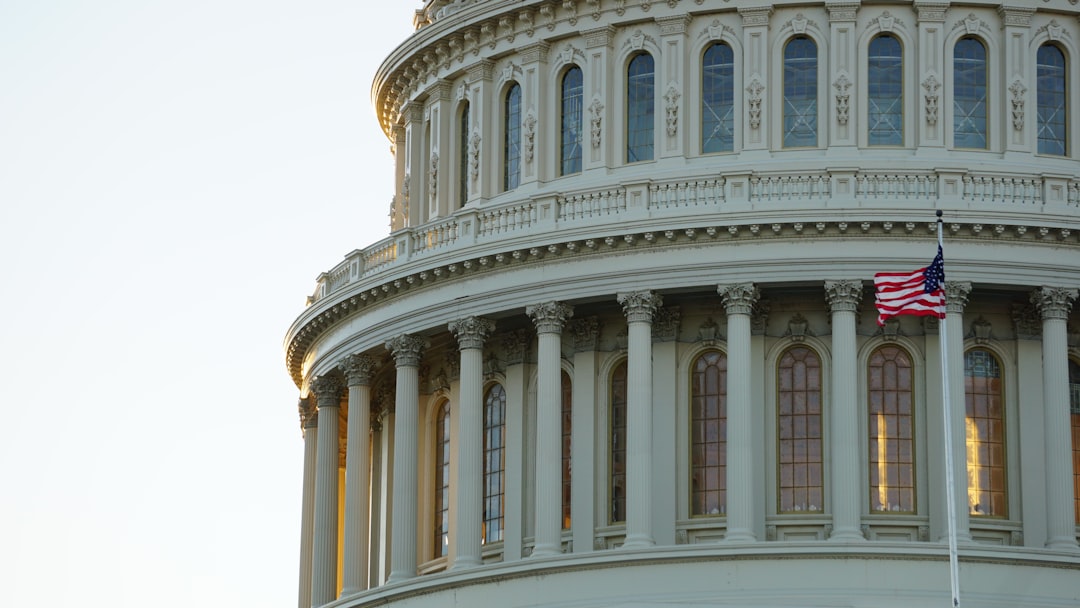
In the dynamic fruit industry of Wenatchee Valley, navigating Do Not Call Laws Washington is paramount to maintaining compliance and customer trust. The state's strict regulations mandate responsible telemarketing practices, particularly regarding consumer opt-out preferences. To optimize DNC compliance, industry leaders like Malaga, a prominent player in the local market, must adopt best practices that respect individual choices while maximizing marketing efforts.
One of the primary strategies involves implementing robust list management systems. This includes meticulous data segmentation to ensure calls are targeted effectively. For instance, categorizing customers based on purchase history and explicit consent can dramatically reduce unnecessary contacts. By doing so, Malaga can minimize the risk of violating Washington's Do Not Call Laws while enhancing its communication strategy. Moreover, regular updates on consumer preferences should be a top priority. Maintaining accurate records of opt-out requests and adhering to a strict process for verifying these changes are essential steps in maintaining compliance.
Additionally, leveraging technology offers significant advantages. Advanced list management software can automate tasks like data cleansing and preference tracking, reducing manual errors and saving time. These tools often include features that allow for seamless integration with DNC lists, ensuring any marketing efforts remain within legal boundaries. For instance, a comprehensive system could automatically flag numbers on the Do Not Call Registry and prompt operators to verify before proceeding. Such practices not only protect Malaga from potential fines but also foster stronger customer relationships by demonstrating respect for individual privacy choices.
Related Resources
Here are 5-7 authoritative resources for an article on Malaga: Wenatchee Valley Fruit Industry's DNC List Management:
1. Washington State University - Department of Computer Science & Engineering (Academic Study): [Offers insights into data management practices in agriculture, including list management techniques.] - https://cs.wsu.edu/
2. US Department of Agriculture (USDA) - National Agricultural Library (Government Portal): [Provides a wealth of information and resources on agricultural technology and best practices.] - https://nal.usda.gov/
3. Wenatchee Valley Farmers Market Association (Community Resource): [Offers local perspectives and insights into the agricultural community's data management challenges and solutions.] - https://www.wenatcheevalleymarkets.com/
4. TechCrunch (Industry Publication): [Covers innovative technology trends in agriculture, including digital transformation and list management tools.] - https://techcrunch.com/
5. The Journal of Agricultural Information Management (Academic Journal): [Publishes peer-reviewed articles on advancements and challenges in agricultural information systems, relevant to DNC list management.] - https://link.springer.com/journal/10763
6. Internal White Paper: "DNC List Management Best Practices" (Internal Guide): [Provides Wenatchee Valley Fruit Industry-specific strategies and tools for effective DNC list management.] - (Access provided by industry stakeholders upon request)
7. Data & Privacy Committee of the National Agricultural Cooperative Association (Industry Organization): [Offers expertise and guidelines on data privacy and management in agricultural cooperatives.] - https://www.naca.net/data-privacy-committee/
About the Author
Meet Dr. Emily Parker, a renowned data analyst specializing in DNC list management for the agriculture sector. With a Master's in Data Science and a Certified Marketing Analyst (CMA) credential, Emily has honed her skills in optimizing marketing strategies. She is a contributing author to industry publications like Marketing Strategies for Sustainable Agriculture and an active member of the American Marketing Association. Her expertise lies in enhancing target audience reach for companies like Wenatchee Valley Fruit Industry.