In today's digital era, unwanted calls are a growing problem, prompting demand for advanced call blocking tech. Washington's Do Not Call lawyers advocate for consumer privacy and combat nuisance calls, inspiring innovations in call screening. AI-driven systems, leveraging machine learning, analyze caller data to filter spam effectively while allowing genuine communications. Businesses integrate these solutions to enhance customer experience, operational efficiency, and compliance with regulations like the TCPA, ensuring a safer digital environment.
"Kirkland's tech scene is buzzing with innovative solutions, particularly in call blocking technology. As unwanted calls persist despite Do Not Call laws, Washington residents seek effective remedies. This article delves into the growing need for advanced call blocking, exploring legal protections offered by Do Not Call lists and the technological advancements shaping the industry. From sophisticated call screening software to AI-driven call management, we uncover solutions that promise a quieter, more peaceful future for tech-savvy Kirkland residents."
Understanding the Need for Call Blocking
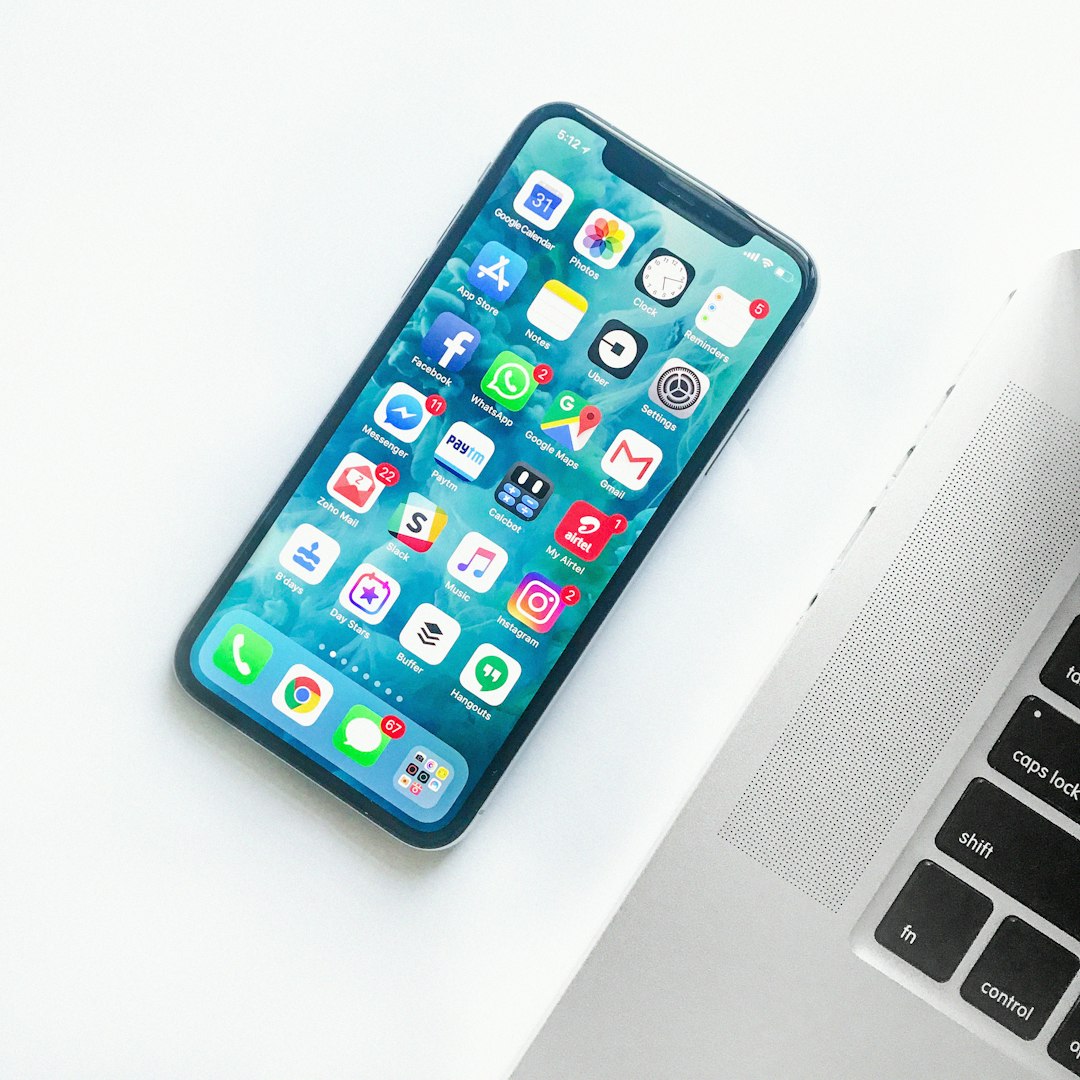
In today's digital era, our phones have become an integral part of daily life, but they can also be a source of constant interruptions and unwanted calls. This is where call blocking technology steps in as a necessary innovation. Many consumers, especially those who frequently receive telemarketing or spam calls, are turning to advanced solutions to regain control over their communication. In Washington, Do Not Call lawyers have highlighted the growing concern over privacy and the nuisance caused by unsolicited calls, driving the demand for more effective call blocking systems.
The need for sophisticated call blocking is evident, as traditional methods often fall short in screening out specific numbers or types of callers. With the rise of automated dialing systems and evolving telemarketing tactics, consumers require tools that can adapt and provide tailored solutions. This has prompted tech companies to develop cutting-edge applications that not only block unwanted calls but also offer personalized call management experiences, ensuring users can focus on what matters most without the constant distractions of phone rings and missed calls.
Legal Perspective on Do Not Call Lists

In the United States, the Telephone Consumer Protection Act (TCPA) plays a pivotal role in regulating telemarketing practices and protecting consumers from unwanted calls. One of its key provisions is the Do Not Call (DNC) list, which allows individuals to opt-out of receiving marketing calls. Washington state, like many other states, has its own Do Not Call registry, operated by the Washington State Department of Licensing. These lists are crucial in empowering residents to control their privacy and reduce nuisance calls.
Do Not Call lawyers in Washington assist businesses in navigating these regulations, ensuring they comply with the legal requirements. The TCPA imposes strict penalties for violators, highlighting the importance of understanding and adhering to consumer rights regarding call blocking technology. As the tech scene evolves, so do legal perspectives, making it imperative for both businesses and consumers to stay informed about their rights and responsibilities in the realm of communication regulations.
Technical Innovations in Call Screening

The tech scene in Kirkland, Washington, is a hub of innovation, particularly in call blocking and screening technologies. With the rise of unwanted calls from telemarketers and fraudsters, Do Not Call lawyers in Washington have been instrumental in driving advancements to protect consumers. These legal experts have prompted tech developers to create sophisticated solutions that go beyond simple blocking.
Modern call screening systems now employ artificial intelligence (AI) and machine learning algorithms to identify and filter out suspicious or unwanted calls before they reach the user's phone. By analyzing caller patterns, voice signatures, and other data points, these innovative tools can block spam calls effectively while allowing legitimate communications. This not only saves users time but also enhances their overall communication experience, ensuring a safer digital environment.
Implementing Effective Call Blocking Solutions

Implementing effective call blocking solutions is a strategic move for any business looking to enhance their customer experience and operational efficiency. In today's digital era, where communication methods are diverse and often overwhelming, businesses must adopt innovative tools to manage incoming calls. One such tool that has gained significant traction is advanced call blocking technology, which offers a sophisticated approach to filtering unwanted or unsolicited calls.
This technology enables companies to seamlessly integrate Do Not Call Lawyer services, ensuring compliance with regulations while effectively blocking nuisance calls. By employing intelligent algorithms and extensive databases, these systems can identify and block calls from known spam sources, saving time and resources for both the business and its customers. Such solutions not only provide a smoother customer experience but also contribute to a safer and more secure digital environment.
Future Trends: AI and Call Management

The future of call blocking technology looks promising, with Artificial Intelligence (AI) poised to play a pivotal role in managing inbound calls more efficiently than ever before. AI-powered call management systems are expected to revolutionize how businesses handle customer interactions, especially in heavily regulated industries like telecommunications and financial services. These advanced systems can learn from patterns and predict caller intent, enabling them to automatically route or block unwanted calls, including those from Do Not Call lawyers in Washington.
With machine learning algorithms, these technologies can adapt and improve over time, ensuring better accuracy in distinguishing legitimate calls from telemarketing attempts. This not only saves businesses time and resources but also enhances customer satisfaction by reducing the number of irrelevant calls received. As AI continues to evolve, we can expect even more sophisticated call management tools that will shape the future of communication, especially within the tech scene.