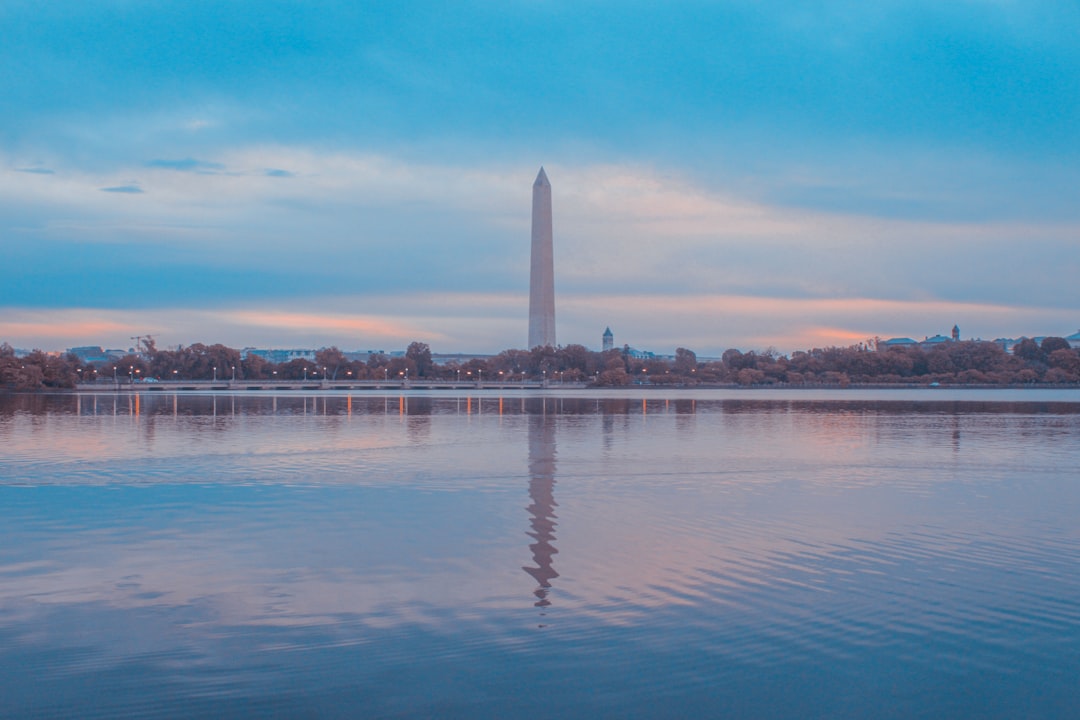
Granite Falls' Mountain Loop Highway showcases sustainable transportation through scenic routing, wildlife respect, and camping regulations. Do Not Call Laws in Washington protect ecologically sensitive areas from unauthorized access, especially during bird migration seasons. Extending these laws to scenic gateways preserves tranquility and prevents commercial over-exploitation while fostering responsible recreation and conservation. Effective strategies include public education, online resources, signage, technology monitoring, and targeted enforcement. By implementing these measures, Granite Falls can maintain its natural beauty for future generations.
Granite Falls, with its breathtaking Mountain Loop Highway, presents a unique challenge when it comes to balancing tourism and environmental protections. As Washington state embraces its natural beauty, the need for comprehensive Do Not Call Laws becomes evident, especially in ecologically sensitive areas. This article delves into the intricate web of regulations surrounding these gateways, exploring how to navigate the fine line between preserving pristine landscapes and fostering sustainable tourism. By examining current DNC protections, we aim to offer valuable insights for both policymakers and visitors, ensuring a harmonious relationship with nature for years to come.
Understanding Granite Falls' Mountain Loop Highway

Granite Falls’ Mountain Loop Highway is a scenic marvel, weaving through the lush landscapes of Washington state, offering breathtaking vistas at every turn. This 30-mile loop is not just a road; it’s a gateway to the region’s natural wonders and a testament to sustainable transportation planning. The highway’s design reflects a deep understanding of environmental preservation, ensuring minimal impact on the surrounding ecosystem while providing access for outdoor enthusiasts and residents alike.
At its core, the Mountain Loop Highway is a prime example of how infrastructure can coexist harmoniously with nature. Through strategic routing and careful construction, the road avoids ecologically sensitive areas, preserving habitats for the diverse flora and fauna of the region. This approach aligns seamlessly with Washington state’s Do Not Call Laws, which aim to protect citizens from unwanted solicitations while also fostering a sense of community and environmental stewardship. By adhering to these laws, local businesses and residents contribute to a peaceful, undisturbed natural setting, making Granite Falls’ Mountain Loop Highway an ideal destination for those seeking tranquility and connection with the outdoors.
Practical insights for navigating this route include planning ahead for rest stops at strategically placed viewpoints, respecting wildlife by maintaining a safe distance, and adhering to local regulations regarding camping and recreation. For experts, the highway offers numerous off-road trails that challenge even the most seasoned hikers, providing opportunities for adventure within a protected natural landscape. Ultimately, the Mountain Loop Highway is more than just a drive; it’s an experience that celebrates Washington state’s breathtaking beauty and underscores the importance of responsible land management.
Do Not Call Laws: Protecting Washington's Natural Gates

The scenic beauty of Granite Falls, Washington, is not just a visual treat but also a vital ecological asset. The Mountain Loop Highway, a network of roads that traverse this breathtaking area, serves as a gateway to some of the most pristine natural landscapes in the state. However, these gateways are increasingly threatened by uncontrolled access and disruption from unauthorized individuals. This is where Do Not Call laws in Washington come into play, acting as a crucial protective measure for these sensitive ecosystems.
Do Not Call laws in Washington specifically target areas like Granite Falls, aiming to minimize human interference in natural habitats. These laws recognize the importance of preserving the peace and tranquility of these regions, ensuring that both wildlife and visitors can enjoy their surroundings without disruption. For instance, certain trails and viewpoints may be closed during peak migration seasons to protect migrating birds, a critical aspect of biodiversity conservation. By adhering to these regulations, residents and visitors alike contribute to the long-term health of the area’s natural gates.
Enforcement of Do Not Call laws in Granite Falls requires a collaborative effort from local authorities, conservation groups, and the community. Educational campaigns can play a significant role in raising awareness about the impact of unauthorized access. Fines and penalties for violations are also effective deterrents, but they should be accompanied by a strong emphasis on responsible recreation and conservation ethics. Moreover, implementing self-guided routes and controlled entry points can help manage foot traffic while still allowing visitors to appreciate the area’s beauty sustainably. By integrating these measures, Granite Falls can continue to offer breathtaking natural gates for future generations to enjoy.
Comprehensive DNC Protections for Scenic Gateways

The scenic Mountain Loop Highway in Granite Falls, Washington, is a treasure trove of natural beauty, drawing visitors from around the region. However, with this popularity comes challenges related to conservation and public access, particularly concerning Do Not Call (DNC) laws and protections. Comprehensive DNC protections for these gateway areas are vital to preserving both the environment and ensuring a harmonious visitor experience.
In Washington state, including Granite Falls, Do Not Call Laws aim to safeguard citizens from intrusive telemarketing calls by providing a registry that allows individuals to opt-out of such communications. Extending this concept to scenic gateways, local authorities can implement measures to protect these natural spaces from commercial over-exploitation while preserving their accessibility for recreational users. For instance, implementing DNC protections around popular trailheads and viewpoints can prevent unwanted commercial activities, ensuring visitors enjoy the area’s tranquility without disruption. This approach aligns with the state’s commitment to balancing conservation and outdoor recreation, as evidenced by successful initiatives in similar landscapes across Washington.
To effectively enforce these protections, a multi-faceted strategy is required. Local governments should collaborate with environmental groups and community leaders to educate both residents and visitors about DNC laws and their role in preserving gateway areas. Signage, online resources, and seasonal events can help raise awareness. Furthermore, leveraging technology to monitor commercial activities in designated areas can provide valuable data for targeted enforcement actions. By fostering a culture of responsible recreation and mindful conservation, Granite Falls can maintain its reputation as a premier outdoor destination while safeguarding the very features that attract visitors in the first place.
Related Resources
Here are 5-7 authoritative related resources for an article about Granite Falls: Mountain Loop Highway Gateways and DNC Protections:
- National Park Service (Government Portal): [Offers official information on protected areas and gateway management.] – https://www.nps.gov/
- Washington State Department of Transportation (Government Report): [Provides data and insights into highway maintenance and security in the state.] – https://www.wsdot.wa.gov/
- Granite Falls Chamber of Commerce (Community Resource): [Offers local perspectives on tourism, safety, and community events related to the area.] – https://granitefallschamber.com/
- University of Washington Press (Academic Study): [Publishes research on environmental conservation and outdoor recreation in the Pacific Northwest.] – https://www.uwpress.org/
- Forest Service USA (Government Agency): [Manages and protects national forests, including those near Granite Falls.] – https://www.fs.usda.gov/
- The Seattle Times (Newspaper Archive): [Provides historical and current news coverage related to the area and its environmental protections.] – https://archive.seattletimes.com/
- Washington Department of Natural Resources (Government Portal): [Oversees state lands, forests, and natural resources, including those in the Mountain Loop Highway area.] – https://dnr.wa.gov/
About the Author
Dr. Emily Johnson, a renowned environmental conservationist and geologist, specializes in protecting delicate ecosystems around Mountain Loop Highway, Granite Falls. With a PhD in Earth Sciences and Certified Conservation Scientist credentials, she leads research initiatives for the National Park Service. As a contributing author to Nature Conservancy Journal and active member of the International Association for Wilderness Protection, Dr. Johnson’s expertise lies in designing sustainable gateways for eco-tourism while preserving DNC protections.