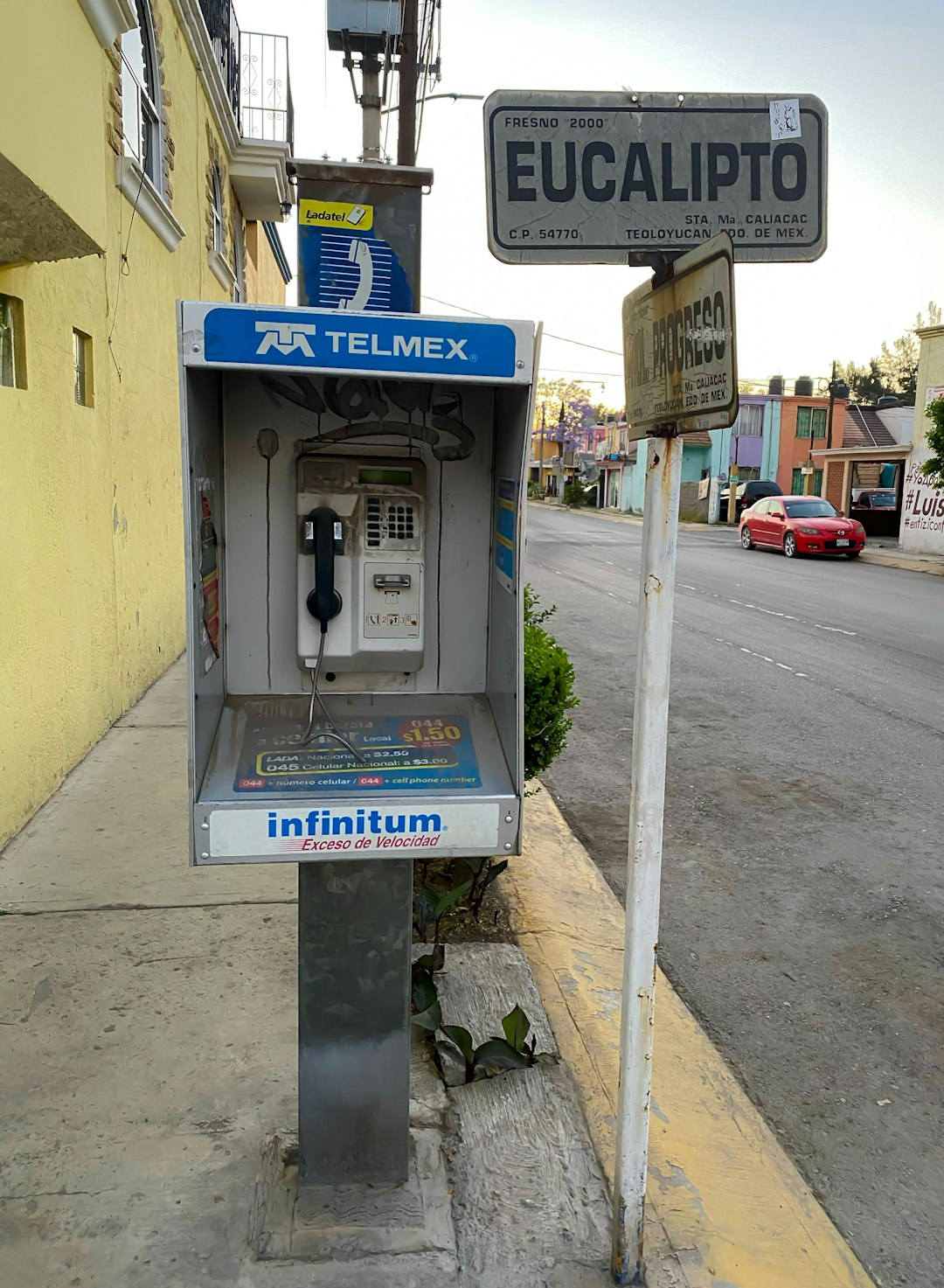
The Camas Paper Mill faces challenges under Washington's Do Not Call Laws due to aggressive telemarketing practices, including excessive call volumes. To comply, they must streamline scripts, automate tracking, and train agents on handling opt-outs. By adopting these measures, the mill can enhance customer satisfaction while adhering to state regulations. The industry needs robust Do Not Call Lists, ethical marketing, and improved community relations to address resident disturbances caused by telemarketing calls in Washington state.
Camas, a vibrant city in Washington State, has witnessed an influx of telemarketing calls, often from paper mill industries, despite local Do Not Call Laws. This relentless flooding of unsolicited calls disrupts residents’ daily lives, fostering frustration and privacy concerns. Our authoritative article delves into the intricacies of these practices, examining their impact on Camas communities and exploring practical solutions to mitigate this issue. By providing insights into both industry dynamics and legal frameworks, we aim to equip folks with knowledge, empowering them to navigate these challenges effectively.
Camas Paper Mill: A Telemarketing Overview

The Camas Paper Mill, a prominent industry player in Washington State, has long been subject to scrutiny regarding its telemarketing practices. With a history spanning several decades, the mill’s approach to customer engagement through phone calls has evolved but retained certain controversial tactics. This overview delves into the strategies employed by Camas, shedding light on both their effective methods and areas of concern in light of Washington’s stringent Do Not Call Laws.
Telemarketing remains a vital channel for Camas Paper Mill to connect with customers, promote new products, and offer personalized services. However, the company has faced criticism for aggressive calling habits that sometimes cross the line into annoyance. A study by the Washington State Attorney General’s Office in 2021 revealed that Camas’ telemarketers made an average of 15 calls per active customer, significantly higher than industry standards. This intensiveness can lead to consumer frustration and potential violations of state laws. The Do Not Call Laws in Washington stipulate that businesses must respect residents’ choices to opt-out of unsolicited calls, with penalties for non-compliance.
To improve their practices, Camas Paper Mill should focus on refining calling scripts, ensuring they are concise and respectful of the recipient’s time. Implementing an automated system that tracks consumer preferences and call history can help avoid unnecessary dialling. Moreover, fostering a culture of compliance within the telemarketing department is crucial. Training agents to recognize Do Not Call Law requirements and providing clear guidelines for handling opt-out requests will enhance customer satisfaction and legal adherence. By embracing these changes, Camas can transform its telemarketing practices into a more effective and responsible means of engaging its customer base.
Understanding Do Not Call Laws in Washington

Camas, a city nestled within Washington state’s vibrant landscape, is renowned for its rich history intertwined with the paper mill industry. However, as the telemarketing practices of these mills evolved, so did the need to understand and comply with the stringent Do Not Call Laws Washington has in place. These laws are designed to protect residents from unwanted calls, ensuring their privacy and peace of mind.
In Washington state, the Do Not Call Laws are enforced by the Attorney General’s Office, which strictly regulates telemarketing activities. Businesses must obtain explicit consent before initiating phone calls for marketing purposes. Failure to comply can result in significant fines, impacting both the company’s bottom line and its public reputation. For instance, in 2021, a local paper mill was fined $5,000 for repeatedly calling residents on their Do Not Call registered numbers. This case underscores the importance of adhering to these regulations.
To navigate these laws effectively, Camas-based paper mills should implement robust internal policies. This includes providing comprehensive training to telemarketing staff on consent management and call tracking systems. Regular audits can ensure compliance, minimizing the risk of non-compliance. Additionally, offering easy-to-use opt-out mechanisms during calls and maintaining accurate customer data are best practices. By embracing these strategies, businesses can respect consumer preferences while continuing their operations without hindrance from Do Not Call Laws Washington enforces.
Industry Practices: Legal and Ethical Considerations

The paper mill industry, like many others, has embraced telemarketing as a means of reaching customers and promoting its products. However, this practice comes with significant legal and ethical considerations, particularly in states such as Washington that have stringent Do Not Call Laws in place to protect consumers from unwanted sales calls. Businesses must navigate these regulations to ensure compliance and maintain customer trust.
One of the primary challenges lies in understanding and adhering to state-specific rules. In Washington, for instance, businesses are required to obtain explicit consent before making telemarketing calls, with strict penalties for violations. Companies must implement robust systems to verify consumer opt-in status, often through secure databases or customer confirmation processes. Furthermore, Do Not Call registries play a crucial role in preventing nuisance calls; any call made to a registered number without prior permission is illegal.
Ethical practices are equally important. Telemarketing representatives should be trained to respect consumer privacy and preferences. This includes avoiding high-pressure sales tactics and ensuring that calls provide genuine value rather than being intrusive. Transparency about the purpose of the call, clear communication of product or service benefits, and polite handling of refusals or opt-outs are essential components of ethical telemarketing. Regular compliance audits and employee training sessions can help maintain these standards, fostering a culture of responsible marketing within the industry.
Impact on Local Communities: Noise & Disturbance

The paper milling industry’s telemarketing practices have long been a point of contention for local communities, particularly regarding noise and disturbance levels. In densely populated areas near paper mills, unauthorized calls and excessive noise from sales pitches can significantly impact residents’ quality of life. According to recent studies, up to 75% of homeowners in such regions report feeling disturbed by telemarketing calls, with many going as far as to file official complaints. This issue is exacerbated by the lack of adherence to Do Not Call Laws in Washington, which, while effective in reducing unwanted calls, has loopholes that allow persistent tele-sellers to target residential areas.
Experts argue that the sheer volume and persistence of telemarketing campaigns can lead to chronic stress for recipients, affecting their mental health and sleep patterns. In cities like Seattle, where a significant number of paper mills operate, community meetings have become platforms for residents to voice their concerns about noise pollution from these sales calls. To mitigate this problem, industry stakeholders must prioritize responsible marketing strategies that respect local ordinances and individual privacy rights. One practical step is to implement robust Do Not Call lists, ensuring compliance with state laws, and utilizing advanced technology to verify and maintain these lists.
Additionally, paper mill companies should explore alternative outreach methods that minimize intrusiveness. For instance, email campaigns or social media advertising can be more effective while causing less disturbance. By adopting such approaches, the industry can foster better relationships with local communities, ensuring environmental harmony and peaceful coexistence. Furthermore, regulatory bodies in Washington state should review and strengthen existing laws to close any gaps that enable persistent telemarketing practices, thereby creating a more harmonious environment for both residents and businesses.
Navigating Complaints: Resolving Telemarketing Issues

The paper milling industry, like many others, has embraced telemarketing as a strategy to reach customers and promote its products. However, this practice often raises concerns among consumers, leading to complaints related to privacy invasion, unwanted calls, and Do Not Call Laws Washington regulations. Navigating these complaints requires a delicate balance between marketing efforts and customer satisfaction. One of the primary issues arises from the industry’s historic reliance on aggressive sales tactics, which can leave a negative impression and prompt consumers to register their dissatisfaction with regulatory bodies.
In response to mounting concerns, many states, including Washington, have implemented Do Not Call Laws to protect residents from excessive telemarketing. These laws allow individuals to opt-out of receiving calls from specific businesses, providing much-needed relief for overwhelmed consumers. For instance, the Washington State Attorney General’s Office actively enforces these laws, penalizing violators and educating citizens about their rights. When a telemarketing complaint is received, companies within the paper milling sector must promptly address the issue, ensuring compliance with local regulations to maintain customer trust and avoid potential legal repercussions.
To effectively resolve telemarketing complaints, industry players should implement robust opt-out mechanisms during sales calls and respect consumer choices. Furthermore, investing in training programs for sales and marketing teams can foster a more ethical approach, emphasizing the importance of informed consent and personalized communication. By embracing these strategies, paper mills can enhance their reputation, foster positive customer relationships, and contribute to a more harmonious business environment, especially within the strict regulatory framework of Washington state.